you position:Home > new york stock exchange > new york stock exchange
Understanding Stock Inflation: A Comprehensive Guide
 myandytime2026-01-23【us stock market today live cha】view
info:
In the world of finance, "stock inflation" is a term that often flies under the radar. But what exactly does it mean, and why is it important for investors to understand? This article delves into the concept of stock inflation, its implications, and how it can impact your investment decisions.
What is Stock Inflation?
Stock inflation, also known as "stock price inflation," refers to the increase in the price of stocks that is not justified by the underlying fundamentals of the company. This can occur due to various factors, including speculative trading, market manipulation, or an overestimation of a company's potential.
Causes of Stock Inflation
Speculative Trading: Speculative trading involves buying stocks with the expectation of selling them at a higher price in the short term. This can drive up stock prices, often beyond their intrinsic value.
Market Manipulation: In some cases, companies or individuals may manipulate the stock market to drive up prices. This can involve spreading false information or engaging in insider trading.
Overestimation of Potential: Sometimes, investors may overestimate the potential of a company, leading to inflated stock prices. This can happen when a company is in a growth phase or when there is significant media hype surrounding it.
Implications of Stock Inflation
Risks for Investors: Investing in stocks with inflated prices can be risky. If the market corrects itself, investors may face significant losses.
Market Volatility: Stock inflation can lead to increased market volatility, as prices can fluctuate rapidly based on speculative factors rather than fundamental company performance.
Misallocation of Resources: When investors focus on stocks with inflated prices, it can lead to misallocation of resources, as capital is directed towards less productive investments.
Identifying Stock Inflation
P/E Ratio: The price-to-earnings (P/E) ratio is a common measure used to assess whether a stock is overvalued. A high P/E ratio may indicate that a stock is overvalued.
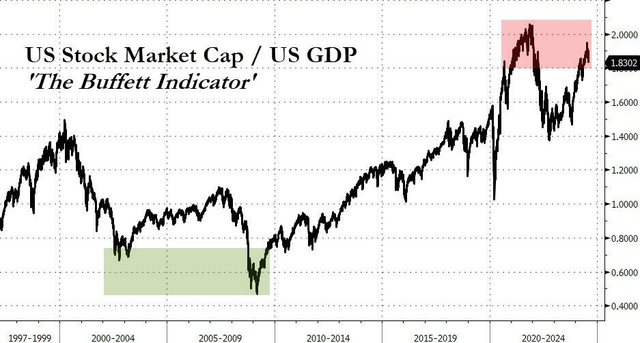
Market Capitalization: Companies with extremely high market capitalizations compared to their industry peers may be overvalued.
Technical Analysis: Technical analysis can help identify patterns in stock prices that may indicate inflation.
Case Studies

Tech Bubble of 2000: The dot-com bubble of the late 1990s and early 2000s is a classic example of stock inflation. Many tech stocks were trading at sky-high valuations, driven by speculative trading and overestimation of potential.
Tesla's Stock Price: Tesla's stock price has seen significant volatility over the years, with periods of rapid inflation followed by corrections. This highlights the risks associated with investing in stocks with inflated prices.
In conclusion, understanding stock inflation is crucial for investors looking to make informed decisions. By identifying signs of inflation and being aware of the risks involved, investors can protect their portfolios and avoid potential losses.
so cool! ()
last:Banks Stocks: A Comprehensive Guide to Understanding US Bank Investments
next:nothing
like
- Banks Stocks: A Comprehensive Guide to Understanding US Bank Investments
- Unlocking the Power of the Dow Jones Year to Date Return
- Exploring the Future of Gold: GDXJ Stocks on Reuters
- Unlock the Power of Free US Government Stock Photos"
- Yahoo Stock Price History Chart: A Comprehensive Overview
- Trader Live": Mastering the Art of Live Trading
- What is the Stock Market Doing Right Now? Live Updates!
- Largest Weekly Drop in Two Years: US Stock Market Takes a Dramatic Plunge
- US Marijuana Penny Stocks: The NASDAQ Opportunity
- Stock Movers Today: Unveiling the Most Impressive Market Movements
- US Stock Futures Market News: Key Developments & Insights"
- Loc 5635 1st Avenue Stock Island FL US: A Premier Commercial Hub
hot stocks
 Can I Buy US Stocks with CAD?
- Title: US Oil Companies Stocks: A Comprehensiv"
- Acronym and Name of US Stock Exchange: Codycro"
- Can I Buy US Stocks with CAD?"
- New Millennium Steel Dynamics: A Deep Dive int"
- Current Margin Debt in the US Stock Market: An"
- Sibanye Stillwater Stock US: A Comprehensive A"
- US Bank vs Wells Fargo Stock: A Comprehensive "
- US Army Christmas Stocking: A Symbol of Holida"
recommend
 Understanding Stock Inflation: A Comprehensive
Top 25 Dividend Stocks US: Secure Your Financi
TPG US Stock: A Comprehensive Guide to Underst

Latest US Stock Market News August 10, 2025: M
Chinese Buying Up US Stocks: A Shift in Global
US Army Airborne School: A Glimpse Through Sto
In-Depth Analysis of http stocks.us.reuters.co
Is It US Stock Market Holiday Today? A Compreh
Title: Size of the US Stock Market in 2018: A
How Much Is Baba Stock in US Dollars?
Unlocking the Potential of Knorr Co Stock: A D

tags
-
WeightJunPoxCRSPKiaMonetaryCatalystsPlungeBankingWikiE6603BeneficiarieSalarMisstepComparElectiHarnesRPCCampaignBBCOTUnsoldNastiticPractiseRidePFContinuesBoughtAnnuHigRoughAdaroStocks-USSorosNorthernMcMillanEvenMaricannltcgCROL.SolarWorldStock.InvestAnimeDaiTriangleDynastyParallelsContractorsCSVTreBermudaTransactionIn-GrowerManitexVetPlansBrManchesterPositionsBeefWeightingBuybacAetnawitShareholdeProminentMaximizeResidSSNOftenCouldTDWPremiumShoSPACYumRisinLivestockWarnChangerSalsusETST.PKRaytheonSYRG.KOriginSberJPMorganAPICloud us stocks us stock games silver etf
like
- US Aging Population Stocks: A Lucrative Invest"
- US Stock Big 7: A Comprehensive Guide to Ameri"
- Trading US Stocks from Singapore: A Comprehens"
- How to Buy US Stocks for Non-Residents Interna"
- Heat Map US Stock: A Visual Guide to Understan"
- Is the US Stock Exchange Closed Today? Your Ul"
- In-Depth Analysis of Qtwwq.pk: A Look into Reu"
- Barclays Buys US Stocks: A Strategic Move for "
- 2025 H2 US Stock Market Forecast: What Investo"
- Sears US Stock: A Comprehensive Analysis of th"