you position:Home > new york stock exchange > new york stock exchange
US Government Bonds vs. Common Stock: A Comprehensive Guide
 myandytime2026-01-21【us stock market today live cha】view
info:
When it comes to investing, understanding the difference between US government bonds and common stock is crucial. Both offer unique advantages and risks, and choosing the right investment can significantly impact your financial future. This article delves into the key characteristics of each, helping you make an informed decision.
US Government Bonds: The Safe Haven
US government bonds, also known as Treasury bonds, are considered one of the safest investments in the market. These bonds are issued by the US government to finance its operations and pay off existing debt. They are backed by the full faith and credit of the US government, making them virtually risk-free.
Key Features of US Government Bonds:
- Low Risk: The risk of default is virtually nil, making these bonds a safe investment for conservative investors.
- Fixed Interest: Investors receive a fixed interest payment at regular intervals until the bond matures.
- Liquidity: Government bonds are highly liquid, allowing investors to buy and sell them easily.
- Inflation Risk: The real return on government bonds may be eroded by inflation.
Common Stock: The Growth Opportunity
Common stock represents ownership in a company. When you buy common stock, you become a shareholder and have the potential to benefit from the company's growth and success. However, common stock also comes with higher risk compared to government bonds.
Key Features of Common Stock:
- Potential for High Returns: Shareholders can benefit from the company's growth, dividends, and capital appreciation.
- Dividends: Some companies pay dividends to their shareholders, providing an additional income stream.
- Liquidity: Common stock is also highly liquid, but the ability to sell can be influenced by market conditions.
- Risk of Loss: Shareholders may lose their investment if the company performs poorly.
Comparing the Two:
Risk and Return:
US government bonds are considered safer, offering lower returns compared to common stock. Common stock, on the other hand, carries higher risk but has the potential for higher returns.
Liquidity:
Both US government bonds and common stock are highly liquid, making it easy for investors to buy and sell them.
Inflation:
US government bonds may be subject to inflation risk, while common stock can offer some protection against inflation due to the potential for rising dividends and capital appreciation.
Case Studies:
- Government Bonds: During the 2008 financial crisis, investors sought safety in US government bonds, driving up their prices and pushing yields to record lows.
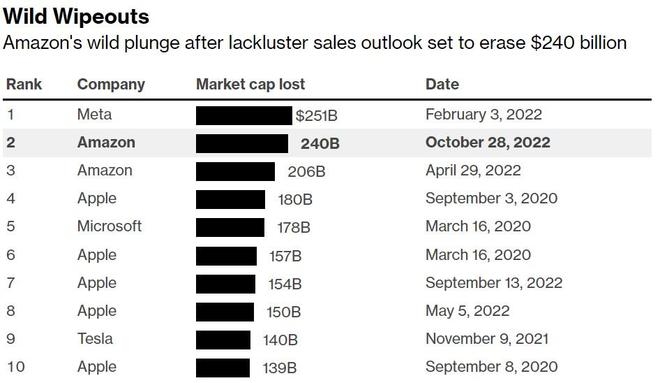
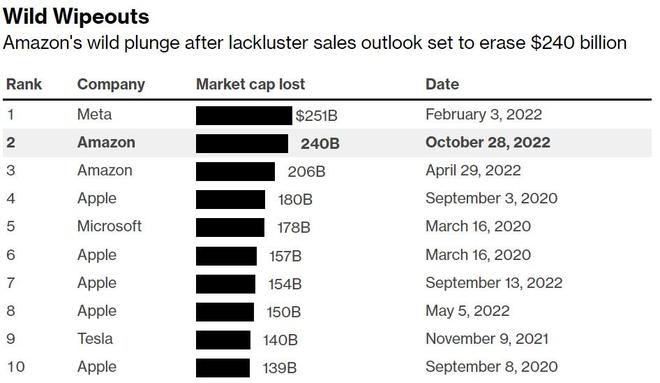
- Common Stock: Companies like Apple and Amazon have seen significant growth in their stock prices, offering substantial returns to investors who invested in their common stock.
Conclusion:
Choosing between US government bonds and common stock depends on your investment goals, risk tolerance, and time horizon. Understanding the characteristics of each can help you make a well-informed decision and create a diversified investment portfolio.
so cool! ()
like
- US Airways Ticket Stock Number: Understanding the Importance for Travelers&qu
- Top 10 Stocks in the US: 2023's Market Powerhouse
- Record-Breaking US Stocks Inflows: The Ultimate Guide
- Cheapest US Stocks: Unlocking Value in the Market
- US Military Defense Contractor Stocks: A Comprehensive Guide to Investment Opport
- Bayer Stock in US: A Comprehensive Guide to Investing
- TFSA US Stocks Reddit: Your Ultimate Guide to Investing in American Equities
- Major Stock Indexes in the US: A Comprehensive Guide
- Maximize Your Investment Potential with ETFs of US Stocks"
- Invest in Stocks in the US: A Comprehensive Guide to Navigating the Market
- Best UK Broker for US Penny Stocks: Your Ultimate Guide
- Unlocking the Potential of High Growth US Stocks Momentum
hot stocks
 Can I Buy US Stocks with CAD?
- Title: US Oil Companies Stocks: A Comprehensiv"
- Acronym and Name of US Stock Exchange: Codycro"
- Can I Buy US Stocks with CAD?"
- New Millennium Steel Dynamics: A Deep Dive int"
- Current Margin Debt in the US Stock Market: An"
- Sibanye Stillwater Stock US: A Comprehensive A"
- US Bank vs Wells Fargo Stock: A Comprehensive "
- US Army Christmas Stocking: A Symbol of Holida"
recommend
 US Government Bonds vs. Common Stock: A Compre
Cheapest US Stocks: Unlocking Value in the Mar

How to Invest in the US Stock Market from Indi

BOFA Hartnett US Stock Flows: A Deep Dive into
-
Trading US Stocks in Australia: A Comprehensiv

Toys "R" Us Altoona Overnigh

Is the US Stock Market Open on Columbus Day 20
"Market Capitalization of the US Stoc

Highest Dividend Stocks in the US Market: A Co
Title: US Stock Futures Drop as Oil Prices Fal

Can an NRA Gift Us Stock? Understanding the Po

tags
-
WeightJunPoxCRSPKiaMonetaryCatalystsPlungeBankingWikiE6603BeneficiarieSalarMisstepComparElectiHarnesRPCCampaignBBCOTUnsoldNastiticPractiseRidePFContinuesBoughtAnnuHigRoughAdaroStocks-USSorosNorthernMcMillanEvenMaricannltcgCROL.SolarWorldStock.InvestAnimeDaiTriangleDynastyParallelsContractorsCSVTreBermudaTransactionIn-GrowerManitexVetPlansBrManchesterPositionsBeefWeightingBuybacAetnawitShareholdeProminentMaximizeResidSSNOftenCouldTDWPremiumShoSPACYumRisinLivestockWarnChangerSalsusETST.PKRaytheonSYRG.KOriginSberJPMorganAPICloud us stocks games silver etf us stock
like
- Empower Clinics Stock: How It's Changing "
- Nonresident Alien US Stock Capital Gains Tax: "
- Latest News on US Stock Market: Key Developmen"
- Bluenose Gold Corp: Your Ultimate Guide to US "
- Title: US Steel Stock Drop in 1929: The Signif"
- How to Buy Shares in the US Stock Market: A Co"
- Hot Momentum US Stocks: Unveiling the Hottest "
- Title: US Stock Market in the 1980s: A Decade "
- Best US Stock: Unveiling the Top Performers fo"
- Best US Stocks to Buy for Long-Term Investment"