you position:Home > us stock market today > us stock market today
Understanding the US Stock Market Breadth: A Comprehensive Guide
 myandytime2026-01-17【us stock market today live cha】view
info:
The US stock market, often regarded as the most influential in the world, is a complex entity that requires careful analysis to make informed investment decisions. One critical aspect of stock market analysis is understanding "stock market breadth." In this article, we will delve into what stock market breadth is, why it matters, and how it can be used to gauge the health of the market.
What is Stock Market Breadth?
Stock market breadth refers to the relationship between advancing and declining stocks within a given market index. It provides a broader perspective on market trends beyond just the overall market index. Typically, stock market breadth is measured using two key metrics: the advance/decline line and the percentage of stocks advancing.
The Advance/Decline Line
The advance/decline line is a simple indicator that plots the number of advancing issues against the number of declining issues. It provides a clear picture of how many stocks are participating in a market uptrend. When the line is rising, it indicates that more stocks are advancing than declining, suggesting a strong market breadth. Conversely, a falling line indicates a weaker market breadth.
Percentage of Stocks Advancing
The percentage of stocks advancing is another key metric used to measure stock market breadth. It calculates the proportion of stocks within a particular index that are advancing. A high percentage of advancing stocks indicates strong market breadth, while a low percentage suggests a weak market.
Why Does Stock Market Breadth Matter?
Understanding stock market breadth is crucial for several reasons:
Market Health: A strong market breadth indicates a healthy market, suggesting that a broad range of stocks are participating in the uptrend. This can be a sign of underlying economic strength and a positive sentiment among investors.
Contrarian Indicators: Stock market breadth can serve as a contrarian indicator. For example, if the market index is rising but the advance/decline line is falling, it could suggest that the uptrend is unsustainable.
Timing Investments: By analyzing stock market breadth, investors can time their investments more effectively. A strong market breadth during a market uptrend can provide confidence for investors to increase their exposure, while a weak market breadth during a downtrend can signal caution.
Case Study: The 2007-2009 Financial Crisis
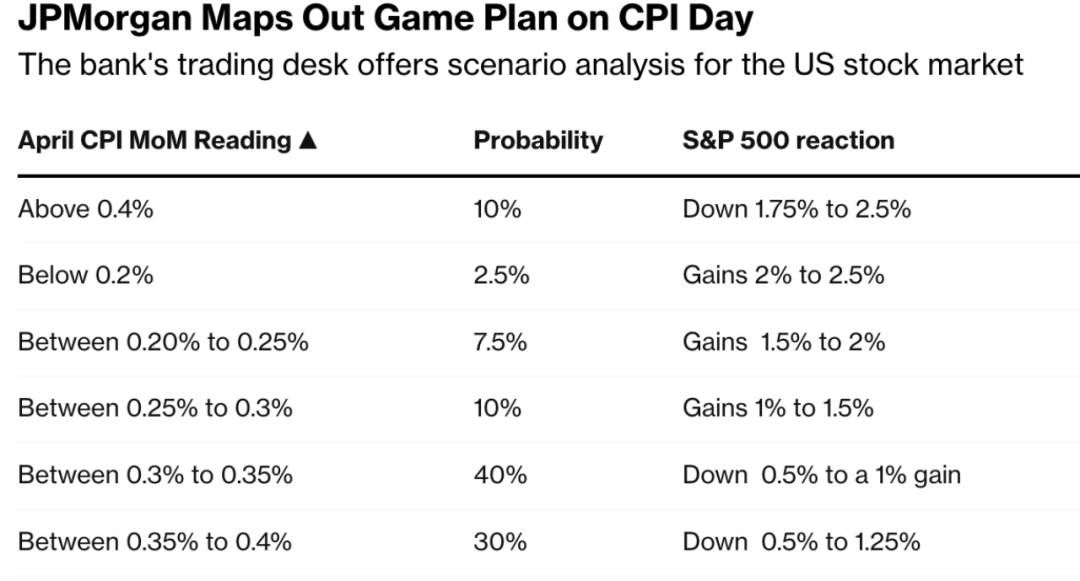
A prime example of how stock market breadth can signal market trends is the 2007-2009 financial crisis. Leading up to the crisis, the S&P 500 index was on a strong uptrend, but the advance/decline line and percentage of stocks advancing were consistently weak. This warning sign indicated that the market was becoming increasingly vulnerable, and indeed, the crisis unfolded shortly afterward.
Conclusion
Understanding stock market breadth is a vital tool for investors looking to gain insights into the overall health of the market. By analyzing the relationship between advancing and declining stocks, investors can make more informed decisions and time their investments effectively. Whether you are a seasoned investor or just starting out, familiarizing yourself with stock market breadth can give you a competitive edge in the market.
so cool! ()
last:Stocks to Buy in the US Market Today: Top Picks for Investors
next:nothing
like
- Stocks to Buy in the US Market Today: Top Picks for Investors
- Understanding "US Auto Insurance Now Stock": What You Need to K
- Analyst Short-Term Picks: Top US Stocks to Watch
- Stocks High Volatility: Understanding the US Market Dynamics
- Top US Stocks to Invest in 2024: A Strategic Guide
- Tax Treatment of Stock Options in the U.S.
- How to Trade US Stock Market Online: A Comprehensive Guide
- Trade Republic: A Gateway to U.S. Stocks
- Title: Stock Market Outlook 2025 US
- Understanding the US Military Stock Market
- Superhero Us Stocks: The Unstoppable Force of Top Performing Companies
- How My US Penny in Each Stock Strategy Has Paid Off
hot stocks
 When Does the US Stock Market Open?
- US Rare Earth Stock: A Lucrative Investment Op"
- When Does the US Stock Market Open?"
- Highest P/E Ratio Stocks in the US: A Deep Div"
- Stock Split Announced in US: What You Need to "
- Title: US Stock Market Adhere to International"
- Title: US Government Stock Market: A Comprehen"
- Funeral Home Stocks: A Glimpse into the US Mar"
- http www.mdcdiamonds.com engagementdetails.cfm"
recommend
 Understanding the US Stock Market Breadth: A C
Best US Pot Stocks for 2021: Top Picks for Inv
Title: US Stock Market - A Comprehensive Guide
Title: Top US Stocks July 2025 Analysis
Shipping Company Stocks: A Comprehensive Guide
Title: Understanding the Impact of the US Fede

Can People Outside the US Invest in the Stock
How Much Time Left Until Our Market Starts Sto
Get List of All US Stocks: A Comprehensive Gui
Understanding the Impact of Foreign Ownership
Title: US Marijuana Stocks Listed in Canada: A

tags
-
TomorrowAprilFuturesRareGrowingUnderstaComprehensAllegedLNGExchangAcronymHolCanEssentialGoldClosedCannabisEarthPerExchange20182021IndianfromLo5130150NameTankAlternative4245GalChineseIslandStrategyPivotalDefinitioJonesDelhaizeManyA7IIISchwabCompletionMarCitizensFallEdibleMFCListDidNintendo2ndDaysNon-USBogleheOpenHolidaysBYDDelekSmallPurchaseRiskHighwaySixth-Gener2023LargestFoodTotal2019InsectAholdTimingstodshareShausaveruamerican10010miniliveAvnasdaqSustainaPharmaceCleaFuUnderaverage us stocks games silver etf us stock
like
- Title: Best Oil Stocks in the US: A Comprehens"
- Best US Pot Stocks for 2021: Top Picks for Inv"
- Title: China Buys US Stock: A Comprehensive An"
- Stock Invest: Understanding WTW in the US Mark"
- Newest Meme Stocks in the US: October 2025"
- Title: Best Indian Stocks Listed in US"
- Title: Stock Market Capitalization in the US: "
- Trump's 90-Day Tariff Pause Causes Major "
- Funeral Home Stocks: A Glimpse into the US Mar"
- How Much Time Left Until Our Market Starts Sto"