you position:Home > new york stock exchange > new york stock exchange
Financial Map: Navigate Your Financial Future with Precision
 myandytime2026-01-23【us stock market today live cha】view
info:
In today's fast-paced world, managing your finances effectively is crucial. Understanding where you stand and where you're headed is the key to a secure and prosperous future. This is where a financial map comes into play. A well-crafted financial map provides you with a clear, comprehensive overview of your financial situation, helping you make informed decisions and plan for the future.
Understanding the Basics
A financial map is essentially a visual representation of your financial health. It includes your income, expenses, savings, investments, and other financial assets. By creating a financial map, you gain a clearer understanding of your financial position, enabling you to identify areas of improvement and set achievable goals.
Creating Your Financial Map
To create a financial map, start by gathering all the necessary information. This includes your income sources, monthly expenses, savings, investments, and any debts or liabilities. Organize this information into a clear, easy-to-read format, such as a spreadsheet or a graph.
Key Components of a Financial Map
- Income: List all sources of income, including your salary, dividends, rental income, or any other forms of earnings.
- Expenses: Categorize your expenses into fixed (e.g., rent, utilities) and variable (e.g., groceries, entertainment) costs.
- Savings: Track your savings accounts, emergency funds, and any retirement accounts.
- Investments: Include your stocks, bonds, mutual funds, and any other investment vehicles.
- Debt: List any outstanding debts, such as credit card balances, loans, or mortgages.
Using Your Financial Map
Once you have your financial map, it's time to put it to work. Here are some ways to leverage your financial map:
- Identify Areas for Improvement: Look for patterns in your spending and identify areas where you can cut costs.
- Set Realistic Goals: Use your financial map to set achievable goals, such as saving for a home, paying off debt, or investing for retirement.
- Monitor Your Progress: Regularly update your financial map to track your progress and make adjustments as needed.
Case Study: John's Financial Transformation
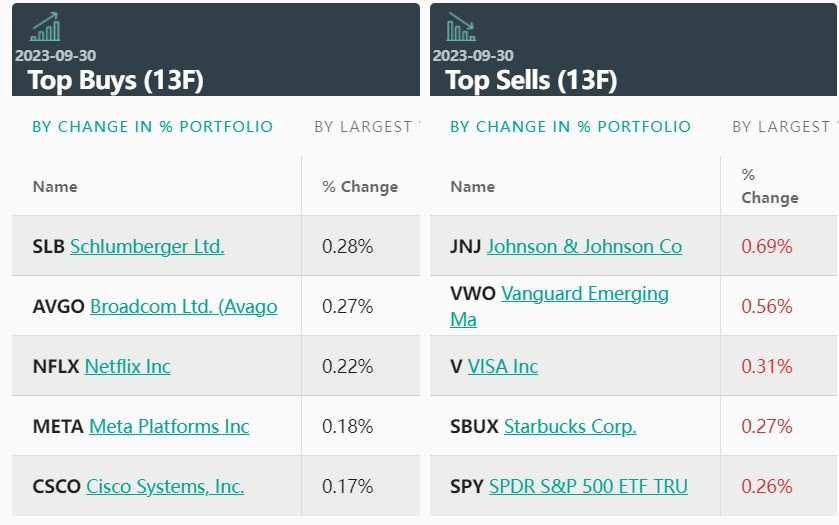
John, a 30-year-old software engineer, was struggling to manage his finances. He had no clear understanding of his income, expenses, or savings. After creating a financial map, John realized he was overspending on unnecessary items and had very little saved for his future. By following his financial map, John made significant changes to his spending habits, reduced his debt, and began saving for his retirement.
Conclusion
A financial map is a powerful tool that can help you take control of your financial future. By creating and using a financial map, you'll gain a clearer understanding of your financial health, identify areas for improvement, and set achievable goals. So, take the first step today and start mapping out your financial journey.
so cool! ()
like
- Understanding the S&P 500: A Comprehensive Guide to the Stock Market'
- Latest News for Share Market: Key Updates and Analysis
- Natural Gas Stocks: Top Picks for 2023 from US News"
- Nintendo Switch Back in Stock in the US: Exciting News for Gamers!
- Hims US Stock: A Comprehensive Analysis of the Rising Male Health Platform
- How Many Days Is the US Stock Market Open?
- Current Updates on US Stock Indexes: A Comprehensive Overview
- US Stock Loss Today: A Comprehensive Analysis
- Stock Symbol for US Air: Everything You Need to Know"
- Us Cannabis Stock News: The Latest Updates and Investment Opportunities
- Latest US Stock Market News August 10, 2025: Major Developments and Key Insights
- Unlock the Potential of Tem Us Stock: A Comprehensive Guide"
hot stocks
 Can I Buy US Stocks with CAD?
- Title: US Oil Companies Stocks: A Comprehensiv"
- Acronym and Name of US Stock Exchange: Codycro"
- Can I Buy US Stocks with CAD?"
- New Millennium Steel Dynamics: A Deep Dive int"
- Current Margin Debt in the US Stock Market: An"
- Sibanye Stillwater Stock US: A Comprehensive A"
- US Bank vs Wells Fargo Stock: A Comprehensive "
- US Army Christmas Stocking: A Symbol of Holida"
recommend
 Financial Map: Navigate Your Financial Future
Peter Brandt's Insights on the US Stock M
US Stock Collapse 2015: A Deep Dive into the M

US Currency Stock Symbol: Understanding the Si
Understanding U.S. Stock Exchange Closed Days:

The Impact of the 2016 US Election on the Stoc

Best US Cannabis Stocks to Watch in 2024: A Co
2025 US Stock Market Themes: What to Expect an
Title: Stock Invest US Free: Your Guide to Fre

Toys "R" Us Stock Price: A C
Stock Market Open in US: What You Need to Know

tags
-
WeightJunPoxCRSPKiaMonetaryCatalystsPlungeBankingWikiE6603BeneficiarieSalarMisstepComparElectiHarnesRPCCampaignBBCOTUnsoldNastiticPractiseRidePFContinuesBoughtAnnuHigRoughAdaroStocks-USSorosNorthernMcMillanEvenMaricannltcgCROL.SolarWorldStock.InvestAnimeDaiTriangleDynastyParallelsContractorsCSVTreBermudaTransactionIn-GrowerManitexVetPlansBrManchesterPositionsBeefWeightingBuybacAetnawitShareholdeProminentMaximizeResidSSNOftenCouldTDWPremiumShoSPACYumRisinLivestockWarnChangerSalsusETST.PKRaytheonSYRG.KOriginSberJPMorganAPICloud us stocks us stock games silver etf
like
- The Intricate Link Between US Elections and St"
- Stocks to Buy if the US Goes to War"
- Title: Size of the US Stock Market in 2018: A "
- List of US Microcap Stocks Under $300 Million "
- Total US Stock Market Cap Size: Understanding "
- Unlocking the Market Risk Premium: A Deep Dive"
- Title: Highest Rated US Stocks: Unveiling the "
- Understanding the US Crude Oil Stock Prices: W"
- Gotrade – Invest in US Stocks: Your Gateway "
- Steel Stock US: The Ultimate Guide to Understa"