you position:Home > aphria us stock > aphria us stock
US Bank Stocks Decline: Understanding the Market Shift
 myandytime2026-01-18【us stock market today live cha】view
info:
The financial landscape has experienced a notable shift in recent times, with US bank stocks witnessing a downward trend. This article delves into the factors contributing to this decline, analyzing market dynamics and potential implications for investors and consumers alike.
Economic Indicators and Interest Rates
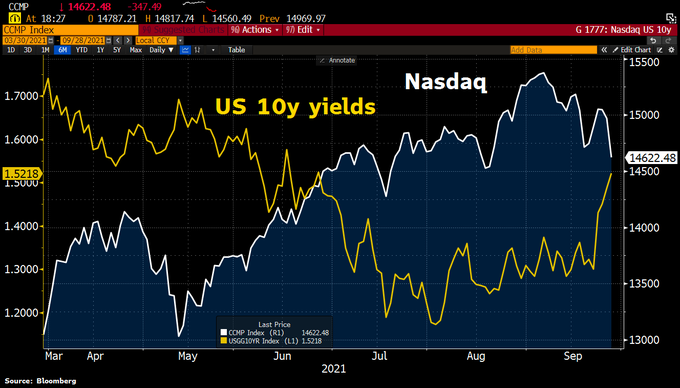
One of the primary reasons for the decline in US bank stocks is the shift in economic indicators and interest rates. The Federal Reserve has been raising interest rates to combat inflation, and this has had a direct impact on the banking sector. Higher interest rates mean that banks will have to pay more on their borrowing costs, potentially affecting their profitability.
Market Volatility
Market volatility has also played a significant role in the downward trend of US bank stocks. The recent market turmoil, triggered by geopolitical tensions and economic uncertainties, has eroded investor confidence in the banking sector. As a result, investors have been flocking to safer assets, pushing bank stocks lower.
Regulatory Changes
Another factor contributing to the decline in US bank stocks is the regulatory environment. The banking sector has faced increased scrutiny from regulators, with new rules and regulations being implemented to mitigate financial risks. While these regulations aim to protect consumers, they have also increased the compliance costs for banks, potentially affecting their bottom line.
Case Studies: Major Banks
Let's take a look at some notable cases of bank stocks experiencing a decline:
JPMorgan Chase: The stock of JPMorgan Chase, one of the largest banks in the US, has seen a significant decline over the past year. This decline can be attributed to higher borrowing costs and the increasing regulatory environment.
Wells Fargo: Wells Fargo has been embroiled in a series of controversies over the past few years, including the scandal involving unauthorized account openings. The bank's stock has been under pressure as a result, reflecting the negative impact of these events on its reputation.
Bank of America: The stock of Bank of America has also faced downward pressure, mainly due to the increased regulatory environment and rising borrowing costs.
Implications for Investors
The decline in US bank stocks presents both opportunities and challenges for investors. Those looking to capitalize on short-term market volatility may find attractive entry points in the banking sector. However, it's essential for investors to conduct thorough research and analyze the long-term prospects of individual banks before making investment decisions.
Conclusion
In conclusion, the decline in US bank stocks is a result of various factors, including economic indicators, market volatility, and regulatory changes. While this downward trend may present challenges for investors, it also offers opportunities for those willing to do their homework and make informed decisions. As the banking sector continues to evolve, it will be crucial for investors and consumers to stay informed and adapt to the changing landscape.
so cool! ()
last:Stock Market and the US Dollar: A Comprehensive Guide
next:nothing
like
- Stock Market and the US Dollar: A Comprehensive Guide
- Title: How Much Was the US Stock Market Down in 2018?
- High Dividend Stocks US 2023: Your Guide to Top Yielding Investments
- Is Today a Stock Market Holiday in the US?
- US News Dassault Systèmes Stock: A Deep Dive into the Future of Technology
- MMAT US Stock: A Comprehensive Guide to Investing in Mixed Martial Arts
- Understanding US Stock Futures Hours: A Comprehensive Guide
- Kinross Gold Stock US: A Comprehensive Guide to Investing in Gold Mining
- US Anesthesia Partners Stock: A Comprehensive Analysis
- Title: US Stock Market 2016-2017: A Comprehensive Analysis
- Meg Energy Corp US Stock Symbol: Understanding the Investment Potential
- List of Bank Stocks in US: Your Ultimate Guide to Investment Opportunities
recommend
 US Bank Stocks Decline: Understanding the Mark
How to Trade in the US Stock Market from Dubai

Is the US Stock Exchange Open on Veterans Day?

http stocks.us.reuters.com stocks fulldescript
US Military Stock Photos: A Diverse Collection

MindMed US Stock: A Deep Dive into the Future
-
US Bank Stocks Decline: Understanding the Mark

Title: US Insurance Companies Stocks: A Compre
Foreign Governments Own Us Stocks: The Implica

US Marijuana Stocks on Fire: A Thriving Indust

Russia and US Stock Market: A Comprehensive An

tags
-
TomorrowAprilFuturesRareGrowingUnderstaComprehensAllegedLNGExchangAcronymHolCanEssentialGoldClosedCannabisEarthPerExchange20182021IndianfromLo5130150NameTankAlternative4245GalChineseIslandStrategyPivotalDefinitioJonesDelhaizeManyA7IIISchwabCompletionMarCitizensFallEdibleMFCListDidNintendo2ndDaysNon-USBogleheOpenHolidaysBYDDelekSmallPurchaseRiskHighwaySixth-Gener2023LargestFoodTotal2019InsectAholdTimingstodshareShausaveruamerican10010miniliveAvnasdaqSustainaPharmaceCleaFuUnderaverage us stocks games silver etf us stock
like