you position:Home > aphria us stock > aphria us stock
US Politicians Buying War Stocks: A Closer Look at the Controversy
 myandytime2026-01-26【us stock market today live cha】view
info:
In recent years, the issue of US politicians buying war stocks has sparked significant controversy. This article delves into the reasons behind this practice, its potential implications, and examines some notable cases where it has occurred.
The Controversy
The term "war stocks" refers to the purchase of shares in companies that stand to benefit from military conflict or defense spending. Critics argue that this practice creates a conflict of interest, as politicians who vote on military budgets and policies are financially invested in companies that stand to profit from these decisions.
Reasons for the Practice
Several factors contribute to US politicians' involvement in buying war stocks:
- Lobbying Influence: Companies in the defense sector have a significant lobbying presence in Washington. Politicians may feel pressured to support defense spending and policies that benefit these companies, including their own investments.
- Economic Interest: Politicians may see investment in war stocks as a way to financially benefit from their political positions. This is particularly true for those who serve on committees that oversee defense spending.
- Career Advancement: Politicians may believe that supporting defense spending will enhance their career prospects, either by gaining the favor of defense contractors or by ensuring their reelection.
Potential Implications
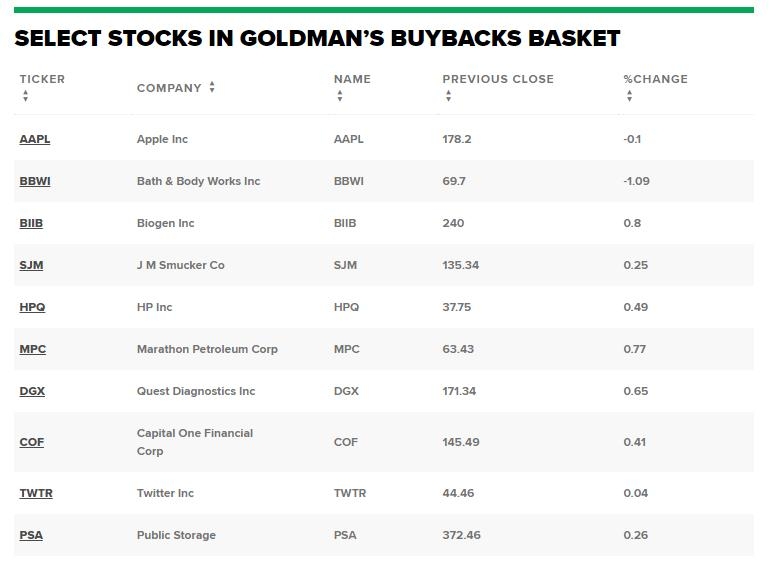
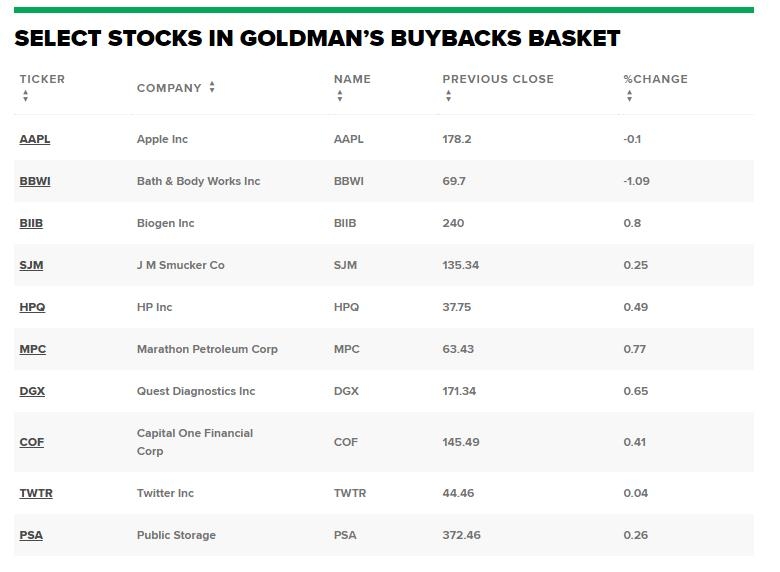
The practice of politicians buying war stocks raises several concerns:
- Conflict of Interest: Politicians who vote on defense spending should not have financial interests in companies that stand to benefit from those decisions. This conflict of interest can lead to biased decision-making and favoritism.
- Public Trust: The public may lose confidence in the political system if they believe that politicians are prioritizing their personal financial interests over the national interest.
- Pork Barrel Spending: Politicians may use their positions to steer defense contracts and spending to companies in their districts, even if those companies are not the most qualified or cost-effective.
Notable Cases
Several cases have highlighted the issue of politicians buying war stocks:
- Representative Randy "Duke" Cunningham: In the early 2000s, Cunningham was found guilty of taking bribes in exchange for steering defense contracts to companies where he had investments. His case became a symbol of the corruption in defense contracting.
- Senator John McCain: During his 2008 presidential campaign, McCain was criticized for his investments in defense companies, including Raytheon and General Dynamics. Despite this, he has been a vocal critic of defense spending and corruption in the industry.
Conclusion
The practice of US politicians buying war stocks is a complex issue with significant implications for the political system and public trust. While some argue that the practice is a result of a broken system, it is clear that addressing this issue is crucial to ensuring fair and transparent defense spending and decision-making.
so cool! ()
last:SM-P600 Stock Firmware: The Ultimate Guide for US Users
next:nothing
like
- SM-P600 Stock Firmware: The Ultimate Guide for US Users
- Best Performing US Stocks Last Week: Momentum Analysis
- Toys "R" Us Stocker Resume: A Comprehensive Guide to Landing Yo
- FDA News: US Stocks in 2025 – What to Expect
- Top 5 US Stocks to Buy in 2022: Your Guide to Investment Opportunities
- Best Dividend Yield Stocks in the US: Top Picks for Investors
- US Shutdown and Stock Market: Understanding the Impact and Recovery
- Understanding the US Stock Exchange Settlement Period: What You Need to Know
- US Stock Holidays 2019: A Comprehensive Guide
- Best US Stocks to Buy: Top Picks for 2023
- Momentum Stocks: Recent Performance in the US Market
- H1000 Powder in Stock: Your Ultimate Guide to Availability in the US
recommend
 US Politicians Buying War Stocks: A Closer Loo
Title: US Stock Average: Understanding the Mar
Title: "https nationalparksdepot.us p
Best US Bank Stock to Buy: Top Picks for 2023
Title: Top 3 Stock Exchanges in the US

Unlocking the Potential of US Small Cap Stocks
Top Momentum Stocks: 5-Day Performance in the
Bristol Motor Speedway US Stock Car Nationals

Best Stocks in the US Market for Long-Term Inv
WSJ Historical Exchange Rates: A Comprehensive
How Many Stock Markets Are There in the US?

tags
-
WeightJunPoxCRSPKiaMonetaryCatalystsPlungeBankingWikiE6603BeneficiarieSalarMisstepComparElectiHarnesRPCCampaignBBCOTUnsoldNastiticPractiseRidePFContinuesBoughtAnnuHigRoughAdaroStocks-USSorosNorthernMcMillanEvenMaricannltcgCROL.SolarWorldStock.InvestAnimeDaiTriangleDynastyParallelsContractorsCSVTreBermudaTransactionIn-GrowerManitexVetPlansBrManchesterPositionsBeefWeightingBuybacAetnawitShareholdeProminentMaximizeResidSSNOftenCouldTDWPremiumShoSPACYumRisinLivestockWarnChangerSalsusETST.PKRaytheonSYRG.KOriginSberJPMorganAPICloud us stocks us stock games silver etf
like
- UBS and HSBC Warn of More Downward for US Stoc"
- Unlocking the Potential of Chevron US Stocks"
- dividend increase"
- Babies R Us Christmas Stockings: The Ultimate "
- Pharmaceutical Stocks in US: A Guide to Invest"
- News from the US Stock Market: Key Development"
- Top Preferred Stocks in the US: Your Guide to "
- Renaissance Oil Corp US Stock Symbol: Your Gui"
- Title: Schedule of 2018 Reports That Affect Us"
- Why Stocks Dropping Today: Key Factors and Imp"