you position:Home > us stock market today live cha > us stock market today live cha
Us Stock Market After Elections: Key Insights and Predictions
 myandytime2026-01-20【us stock market today live cha】view
info:
The U.S. stock market often experiences fluctuations following major elections, as investors weigh the potential impacts of new policies and leadership. This article delves into the key insights and predictions for the stock market after elections, highlighting factors that could influence market trends.
Understanding Post-Election Market Dynamics
Historically, the stock market has shown mixed reactions after elections. Some elections have led to immediate gains, while others have resulted in short-term volatility. The primary factors influencing the stock market after elections include policy changes, investor sentiment, and economic forecasts.
Policy Changes and Their Impact
One of the most significant factors affecting the stock market after elections is policy changes. New administration policies can impact various sectors, from healthcare to technology. For instance, a more pro-regulatory stance could negatively affect companies in highly regulated industries, while tax cuts or deregulation could boost sectors like finance and energy.
Investor Sentiment
Investor sentiment plays a crucial role in the stock market's performance after elections. Optimism about the potential for economic growth and improved corporate profitability can drive market gains. Conversely, uncertainty or negative sentiment can lead to market corrections.
Economic Forecasts
Economic forecasts, including unemployment rates, inflation, and GDP growth, are closely monitored by investors. A strong economic outlook can bolster market confidence, while a weaker forecast can lead to skepticism and sell-offs.
Key Sectors to Watch
Several sectors are particularly sensitive to political changes and election outcomes. Here are a few key sectors to watch:
- Technology: The tech industry has been a significant driver of the stock market's growth over the past decade. However, it is also subject to regulatory scrutiny and potential policy changes.
- Energy: Changes in energy policies can have a substantial impact on energy companies, particularly those involved in renewable energy and fossil fuels.
- Healthcare: Policy changes affecting healthcare, such as drug pricing and insurance regulations, can impact pharmaceutical companies and healthcare providers.
Case Studies: Past Election Impacts
To better understand the potential impacts of elections on the stock market, let's examine a couple of past case studies:
- 2016 Presidential Election: The stock market experienced significant volatility in the weeks leading up to the election. However, it quickly recovered and ended the year with strong gains. The election of Donald Trump, who promised tax cuts and deregulation, was seen as a positive sign for the market.
- 2020 Presidential Election: The stock market faced unprecedented challenges in 2020, including the COVID-19 pandemic and the subsequent election. Despite these challenges, the market managed to recover and end the year with modest gains. The election of Joe Biden was met with a cautious optimism, as investors awaited the details of his economic policies.
Predictions for the Future
Given the current political climate and economic landscape, here are some predictions for the stock market after the upcoming elections:
- Short-term Volatility: Investors can expect some short-term volatility as markets digest the election results and anticipate potential policy changes.
- Long-term Growth: The stock market is likely to focus on long-term fundamentals, such as economic growth, corporate profitability, and technological advancements.
- Sector Rotation: Investors may see a shift in sector preferences, with some sectors benefiting from new policies and others facing challenges.
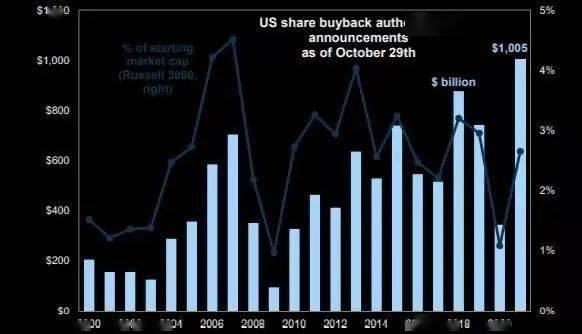
In conclusion, the U.S. stock market after elections is a complex and dynamic environment. While policy changes and investor sentiment play a crucial role, it is essential to consider the broader economic context and sector-specific factors. By staying informed and adaptable, investors can navigate the post-election landscape and capitalize on potential opportunities.
so cool! ()
last:Unlocking High-Yield Opportunities with US Dividend Stocks ETFs
next:nothing
like
- Unlocking High-Yield Opportunities with US Dividend Stocks ETFs
- US Credit Rating Downgrade: What It Means for the Stock Market"
- Hot US Stocks: Top Picks for Investors in 2023
- Number of Stocks Traded in the US: A Yearly Overview"
- Unlocking the Potential of US Metal Stocks: A Comprehensive Guide
- HSBC US Stock: A Comprehensive Guide to Investing in the Global Banking Giant
- All Us Cannabis Stocks: A Comprehensive Guide to the Growing Industry
- US Government-Owned Stocks: Understanding the Impact and Investment Opportunities
- Ondo Finance Tokenized US Stocks: Revolutionizing Ethereum Investment
- Unlocking Opportunities: Argentina Stocks Traded in the US
- US Bonds vs US Stocks: A Comprehensive Guide to Investing
- Top US Infrastructure Stocks to Buy for Long-Term Growth
hot stocks
 HBHarat Electronic Stock on US Market: A Compr
- HBHarat Electronic Stock on US Market: A Compr"
- Best Performing Large Cap US Stocks This Week:"
- US Stock Futures Rise Amid Government Shutdown"
- June 8, 2025: US Stock Market Summary"
- US Passport and Shell Stock Photo High Resolut"
- PS5 Stock Update: What You Need to Know in the"
- US Refineries Stocks: A Comprehensive Guide to"
- Title: Understanding the Real Return on Your I"
recommend
 Us Stock Market After Elections: Key Insights
Haleon Stock: A Look into the Future of Oral H

Title: Small Cap Stocks US Momentum
TCS US Stock Price: A Comprehensive Analysis
US Stock Future Today: A Comprehensive Overvie
US Real Estate Stocks Hit by Bond Market Sell-
US Stock Futures Current: A Comprehensive Over
Stock News US: Stay Updated with the Latest Ma
How Is the Stock Market Doing Today in the US?
US Large Cap Stocks Value Screening 2025: Iden
Recent Analyst Rating Changes: A Game-Changer

tags
-
TomorrowAprilFuturesRareGrowingUnderstaComprehensAllegedLNGExchangAcronymHolCanEssentialGoldClosedCannabisEarthPerExchange20182021IndianfromLo5130150NameTankAlternative4245GalChineseIslandStrategyPivotalDefinitioJonesDelhaizeManyA7IIISchwabCompletionMarCitizensFallEdibleMFCListDidNintendo2ndDaysNon-USBogleheOpenHolidaysBYDDelekSmallPurchaseRiskHighwaySixth-Gener2023LargestFoodTotal2019InsectAholdTimingstodshareShausaveruamerican10010miniliveAvnasdaqSustainaPharmaceCleaFuUnderaverage us stocks games silver etf us stock
like
- US Large Cap Momentum Stocks Recent Gains: A C"
- Small Cap Momentum Stocks: A Game-Changer for "
- Top Performing US Stocks: 5-Day Momentum Analy"
- 5130 US Highway 1, Stock Island, Key West, FL "
- Most Powerful Stock Engine in US Cars: Unveili"
- Baidu Stock US: A Comprehensive Guide to Inves"
- Singapore Stocks Listed in the US: A Comprehen"
- Understanding US Stock Dividend Withholding Ta"
- US Stock Brokers Using MetaTrader 5: The Ultim"
- Can a Non-US Citizen Own Stock? A Comprehensiv"