you position:Home > us stock market today live cha > us stock market today live cha
International and U.S. Stock Allocation: A Strategic Approach
 myandytime2026-01-20【us stock market today live cha】view
info:
In today's globalized financial markets, investors are increasingly looking beyond domestic borders to diversify their portfolios. One popular strategy is to allocate investments between international and U.S. stocks. This article delves into the key factors to consider when determining the optimal balance between these two asset classes.
Understanding Stock Allocation
Stock allocation refers to the distribution of investments among different types of stocks. It is a crucial aspect of portfolio management, as it can significantly impact risk and return. When allocating between international and U.S. stocks, investors must consider various factors, including market conditions, currency fluctuations, and geopolitical risks.
Key Factors to Consider
Risk Tolerance: Your risk tolerance is a critical factor in determining your stock allocation. If you are more risk-averse, you may prefer a higher allocation to U.S. stocks, which are generally considered less volatile than international stocks.
Investment Goals: Your investment goals will also influence your stock allocation. For example, if you are aiming for long-term growth, you may consider a higher allocation to international stocks, which tend to offer higher potential returns.
Market Conditions: The current market conditions can also impact your stock allocation. If the U.S. market is overvalued, you may want to increase your allocation to international stocks, which may offer more attractive valuations.
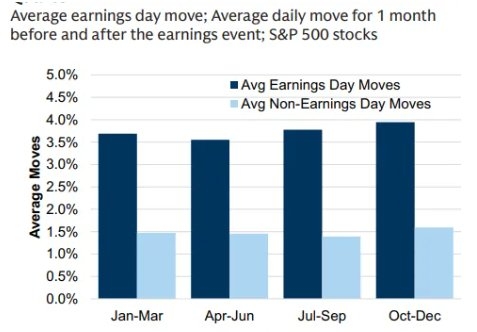
Currency Fluctuations: Currency fluctuations can significantly affect the returns on international investments. If the U.S. dollar strengthens, the returns on international investments will be lower when converted back to dollars.
Geopolitical Risks: Geopolitical risks, such as political instability or trade disputes, can impact both international and U.S. stocks. However, these risks may vary by region, making it important to consider the specific geopolitical landscape when allocating your investments.
Strategic Allocation
A strategic approach to stock allocation involves balancing the risk and return of your investments. One popular strategy is the global allocation model, which suggests dividing your portfolio into three segments: U.S. stocks, international stocks, and emerging market stocks.
U.S. Stocks: Allocate a significant portion of your portfolio to U.S. stocks, as they provide exposure to the largest and most diversified market in the world.
International Stocks: Allocate a portion of your portfolio to international stocks, which can offer diversification and potentially higher returns.
Emerging Market Stocks: Allocate a smaller portion of your portfolio to emerging market stocks, which can offer significant growth potential but come with higher risk.
Case Study
Consider an investor named John, who has a moderate risk tolerance and a long-term investment horizon. After analyzing the market conditions and considering his risk tolerance and investment goals, John decides to allocate 60% of his portfolio to U.S. stocks, 30% to international stocks, and 10% to emerging market stocks.
Conclusion
International and U.S. stock allocation is a complex but essential aspect of portfolio management. By considering factors such as risk tolerance, investment goals, market conditions, and geopolitical risks, investors can create a well-diversified portfolio that aligns with their financial objectives.
so cool! ()
last:Stock Markets and US Politics: The Intricate Dance of Influence
next:nothing
like
- Stock Markets and US Politics: The Intricate Dance of Influence
- CVI Comoresdion Stocking US: Exploring Surgical Alternatives
- Unlocking the Potential of WTW Stock: A Comprehensive Analysis
- Can You Buy Russian Stocks in the US? A Comprehensive Guide
- How to Buy U.S. Stocks in a TFSA: A Comprehensive Guide
- High Momentum US Stocks: Technical Analysis for Investors
- Unveiling the Potential of US Military Company Stocks
- Bark Us Stock: Unveiling the Potential of This Emerging Tech Giant
- Us Bank Stock Share Price: Current Trends and Future Projections"
- How Is the Stock Market Doing Today in the US?
- Master the Art of Trading in the US Stock Market: A Comprehensive Guide"
- Spot Stocks Traded on a US Stock Exchange: Your Ultimate Guide
hot stocks
 HBHarat Electronic Stock on US Market: A Compr
- HBHarat Electronic Stock on US Market: A Compr"
- Best Performing Large Cap US Stocks This Week:"
- US Stock Futures Rise Amid Government Shutdown"
- June 8, 2025: US Stock Market Summary"
- US Passport and Shell Stock Photo High Resolut"
- PS5 Stock Update: What You Need to Know in the"
- US Refineries Stocks: A Comprehensive Guide to"
- Title: Understanding the Real Return on Your I"
recommend
 International and U.S. Stock Allocation: A Str
Paw Patrol Stocking Toys at Toys "R&a

Samsung Galaxy Note 2 Stock ROM for US Cellula
Is Hyundai Listed in the US Stock Market?

Setup Stock Account Outside US: A Guide for Gl
Title: KBE US Stock: A Comprehensive Guide to

Title: US Gov Stock Market Graph: Understandin
US Passport and Shell Stock Photo High Resolut
US Stock Cars: The Ultimate Guide to America&#

US Pharmacy Stock: A Comprehensive Guide to th
Title: US Arms Manufacturers Stock: A Comprehe

tags
-
TomorrowAprilFuturesRareGrowingUnderstaComprehensAllegedLNGExchangAcronymHolCanEssentialGoldClosedCannabisEarthPerExchange20182021IndianfromLo5130150NameTankAlternative4245GalChineseIslandStrategyPivotalDefinitioJonesDelhaizeManyA7IIISchwabCompletionMarCitizensFallEdibleMFCListDidNintendo2ndDaysNon-USBogleheOpenHolidaysBYDDelekSmallPurchaseRiskHighwaySixth-Gener2023LargestFoodTotal2019InsectAholdTimingstodshareShausaveruamerican10010miniliveAvnasdaqSustainaPharmaceCleaFuUnderaverage us stocks games silver etf us stock
like
- Stock Footage US Capital Free: Unlocking the W"
- AphA US Stock Price: A Comprehensive Analysis"
- Title: Complete Us Stock Symbols List of Nasda"
- Target US Stock Price: A Comprehensive Guide t"
- Bark Us Stock: Unveiling the Potential of This"
- US Cheese Stocks: A Nourishing Investment Oppo"
- Maximizing Returns with US Home Builder Stocks"
- US Shutdown Effects on Stock Market: What You "
- Education Stocks in US: A Comprehensive Guide"
- Can You Trade Us Stocks from Canada? Exploring"