you position:Home > aphria us stock > aphria us stock
How Much US Companies Spent on Stock Buyback: A Comprehensive Analysis
 myandytime2026-01-14【us stock market today live cha】view
info:
In recent years, stock buybacks have become a significant trend among US companies. This article delves into the amount of money these companies have allocated towards stock repurchases, analyzing the trends, reasons, and implications of this financial strategy.
Understanding Stock Buybacks
Stock buybacks, also known as share repurchases, occur when a company buys back its own shares from the market. This can happen for various reasons, including boosting earnings per share, signaling to investors that the company believes its stock is undervalued, or simply reducing the number of outstanding shares.
The Amount of Money Spent on Stock Buybacks
According to a report by the Federal Reserve, US companies spent a staggering $1.1 trillion on stock buybacks in 2020. This figure represents a significant portion of the total earnings of these companies and has raised concerns among investors and economists alike.
Trends in Stock Buybacks
Over the past decade, the amount of money spent on stock buybacks has been on the rise. In 2011, companies spent approximately $400 billion on stock repurchases. By 2020, this figure had nearly tripled.
Reasons for Stock Buybacks
Several factors drive companies to engage in stock buybacks. One of the primary reasons is to boost earnings per share (EPS). By reducing the number of outstanding shares, companies can increase their EPS, which can make the stock appear more attractive to investors.
Another reason is to return capital to shareholders. In some cases, companies may have excess cash on their balance sheets and prefer to return this capital to shareholders rather than reinvest it in the business.
The Implications of Stock Buybacks
While stock buybacks can be beneficial for companies and their shareholders, they also have several potential drawbacks. One concern is that companies may be prioritizing the interests of their shareholders over the long-term health of the business. This can lead to underinvestment in research and development, infrastructure, and other areas crucial for sustainable growth.
Additionally, stock buybacks can lead to market manipulation. When a company buys back its own shares, it can drive up the stock price, creating a speculative bubble. This can be detrimental to the market as a whole and to individual investors who may not be able to exit their positions before the bubble bursts.
Case Studies
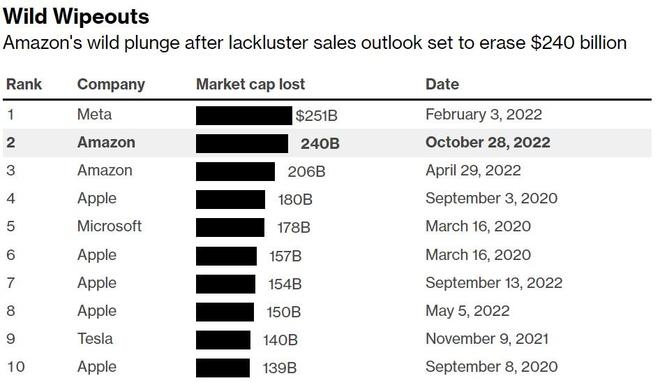
To illustrate the impact of stock buybacks, let's consider two case studies: Apple and Microsoft.
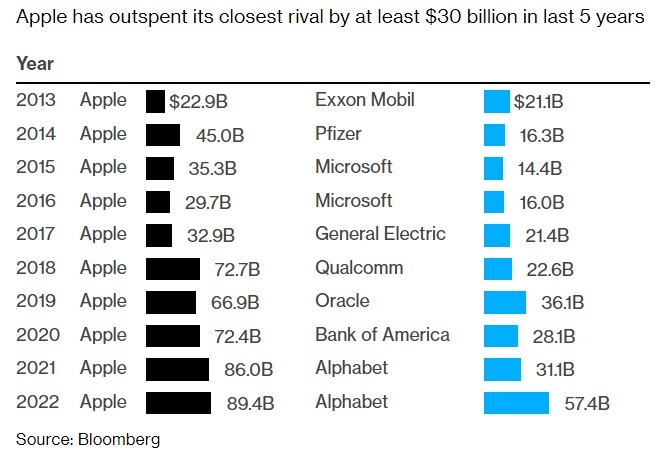
Apple: In 2020, Apple spent $26.5 billion on stock buybacks, representing a significant portion of its total earnings. This move helped boost the company's EPS and increase its stock price.
Microsoft: Similarly, Microsoft spent $30.9 billion on stock buybacks in 2020. This investment in buybacks helped drive the company's stock price higher and improve its EPS.
Conclusion
In conclusion, US companies have spent a substantial amount of money on stock buybacks over the past decade. While this strategy can be beneficial for companies and their shareholders, it also has potential drawbacks. As investors and policymakers, it's crucial to understand the implications of stock buybacks and ensure that they are used responsibly.
so cool! ()
like
- How Much Foreign Investment in the US Stock Market: An Insightful Analysis
- LDS Stock US: A Comprehensive Guide to LDS Corporation’s Stock Performance
- Hot Momentum Stocks US: The Top Picks for 2023
- Oil and Gas Stocks: A Deep Dive into the US Market
- Is the US Stock Market Open on July 3, 2023?
- Multibagger Stocks US Paid: How to Identify and Invest in High-Growth Stocks
- August 4, 2025 US Stock Market Closing Summary
- Analyst Recommendations: US Stocks Short-Term Outlook
- Title: "Li Us Stock: A Comprehensive Guide to Investing in Chinese Compa
- Jim Rogers Sold All US Stocks: What It Means for Investors
- All the Us Stocks Penny: A Comprehensive Guide to Investing in Low-Cost Stocks
- Jamie Dimon Says Stock Prices in the US Are Inflated
recommend
 How Much Foreign Investment in the US Stock Ma
Lowes Stock US: A Comprehensive Analysis
Jim Rogers Sold All US Stocks: What It Means f
Jeffrey Gundlach Says US Stocks Will Get Evisc
Omron Stock US: A Comprehensive Guide to Inves
Is the US Stock Market Open on July 3, 2023?

Multibagger Stocks US Paid: How to Identify an

How to Buy Taiwan Stock in the US
Best Stocks According to US News: Your Ultimat
How to Trade Taiwanese Stock in the US

Analyst Recommendations: US Stocks Short-Term
tags
-
TomorrowAprilFuturesRareGrowingUnderstaComprehensAllegedLNGExchangAcronymHolCanEssentialGoldClosedCannabisEarthPerExchange20182021IndianfromLo5130150NameTankAlternative4245GalChineseIslandStrategyPivotalDefinitioJonesDelhaizeManyA7IIISchwabCompletionMarCitizensFallEdibleMFCListDidNintendo2ndDaysNon-USBogleheOpenHolidaysBYDDelekSmallPurchaseRiskHighwaySixth-Gener2023LargestFoodTotal2019InsectAholdTimingstodshareShausaveruamerican10010miniliveAvnasdaqSustainaPharmaceCleaFuUnderaverage us stocks games silver etf us stock
like