you position:Home > aphria us stock > aphria us stock
Jamie Dimon Says Stock Prices in the US Are Inflated
 myandytime2026-01-14【us stock market today live cha】view
info:
In a recent interview, Jamie Dimon, the CEO of JPMorgan Chase & Co., made a bold statement about the current state of the stock market. He claimed that stock prices in the US are inflated, raising concerns among investors and analysts alike. In this article, we will delve into Dimon's reasoning and explore the potential implications of this statement.
Dimon's Concerns
Dimon's assertion that stock prices are inflated stems from his belief that the current market is being driven by excessive optimism and speculation. He highlighted the rapid rise in stock prices over the past few years, which he attributes to low-interest rates and easy monetary policies implemented by central banks around the world.
According to Dimon, these factors have created an environment where investors are willing to pay premium prices for stocks, regardless of their fundamentals. This has led to a bubble-like situation, where stock prices are becoming increasingly disconnected from the underlying economic realities.
The Role of Central Banks
Dimon's concerns about inflated stock prices are not unfounded. Many economists and market analysts have expressed similar views, attributing the current market conditions to the accommodative policies of central banks. For instance, the Federal Reserve has been lowering interest rates and implementing quantitative easing to stimulate economic growth and inflation.
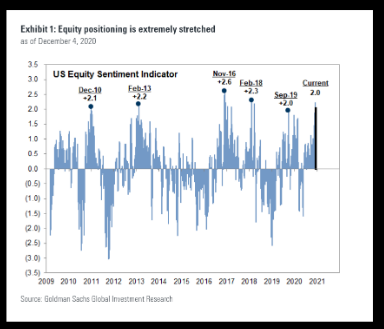
However, these policies have also had unintended consequences, such as driving up asset prices and creating a speculative bubble. Dimon believes that central banks need to be more cautious in their approach to monetary policy, as the risks of a market correction are becoming increasingly apparent.
Potential Implications
If Dimon's concerns are valid, the implications for the stock market could be significant. A bubble burst could lead to a sharp decline in stock prices, causing widespread panic and financial instability. Investors who have been paying premium prices for stocks may find themselves holding onto assets that are worth far less than they paid for.
Moreover, a market correction could have broader economic implications, as the stock market plays a crucial role in the overall health of the economy. A decline in stock prices could lead to reduced consumer confidence, lower business investment, and potentially even a recession.
Case Studies
To illustrate the potential risks of inflated stock prices, we can look at historical examples. One such example is the dot-com bubble of the late 1990s, when stock prices for technology companies soared to unsustainable levels. When the bubble burst, it led to a significant decline in stock prices and a subsequent recession.
Another example is the housing market bubble of the mid-2000s, which eventually led to the global financial crisis. As with the dot-com bubble, the housing market bubble was driven by excessive optimism and speculation, which ultimately resulted in a massive loss of wealth and economic turmoil.
Conclusion
Jamie Dimon's statement about inflated stock prices in the US raises important questions about the current state of the market. While it is difficult to predict the exact outcome of the market's future, his concerns should serve as a cautionary tale for investors and policymakers alike. As central banks continue to implement accommodative policies, it is crucial to monitor the risks of a speculative bubble and take appropriate measures to mitigate them.
so cool! ()
like
- How Much Foreign Investment in the US Stock Market: An Insightful Analysis
- LDS Stock US: A Comprehensive Guide to LDS Corporation’s Stock Performance
- Hot Momentum Stocks US: The Top Picks for 2023
- Oil and Gas Stocks: A Deep Dive into the US Market
- Is the US Stock Market Open on July 3, 2023?
- Multibagger Stocks US Paid: How to Identify and Invest in High-Growth Stocks
- August 4, 2025 US Stock Market Closing Summary
- Analyst Recommendations: US Stocks Short-Term Outlook
- Title: "Li Us Stock: A Comprehensive Guide to Investing in Chinese Compa
- Jim Rogers Sold All US Stocks: What It Means for Investors
- All the Us Stocks Penny: A Comprehensive Guide to Investing in Low-Cost Stocks
- How to Buy Taiwan Stock in the US
recommend
 How Much Foreign Investment in the US Stock Ma
Multibagger Stocks US Paid: How to Identify an
Lowes Stock US: A Comprehensive Analysis
Jeffrey Gundlach Says US Stocks Will Get Evisc
Analyst Recommendations: US Stocks Short-Term
Is the US Stock Market Open on July 3, 2023?
Jim Rogers Sold All US Stocks: What It Means f
Best Stocks According to US News: Your Ultimat

How to Buy Taiwan Stock in the US
Omron Stock US: A Comprehensive Guide to Inves
How to Trade Taiwanese Stock in the US

tags
-
TomorrowAprilFuturesRareGrowingUnderstaComprehensAllegedLNGExchangAcronymHolCanEssentialGoldClosedCannabisEarthPerExchange20182021IndianfromLo5130150NameTankAlternative4245GalChineseIslandStrategyPivotalDefinitioJonesDelhaizeManyA7IIISchwabCompletionMarCitizensFallEdibleMFCListDidNintendo2ndDaysNon-USBogleheOpenHolidaysBYDDelekSmallPurchaseRiskHighwaySixth-Gener2023LargestFoodTotal2019InsectAholdTimingstodshareShausaveruamerican10010miniliveAvnasdaqSustainaPharmaceCleaFuUnderaverage us stocks games silver etf us stock
like